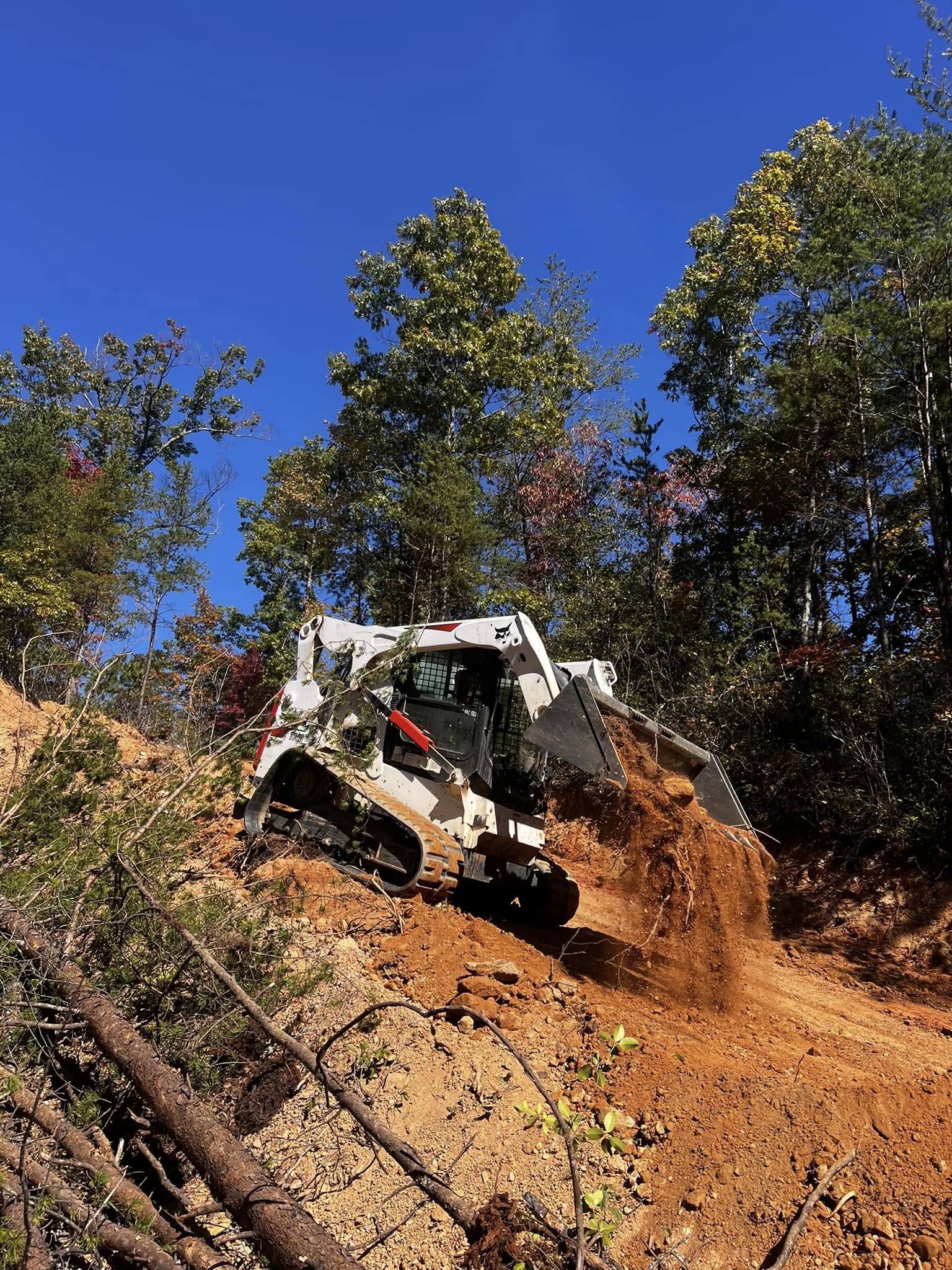
Digging Into the Future: Sustainable Excavation Practices by Dutch Mountain Jun 20, 2026
Understanding sustainable excavation involves recognizing the environmental impact of traditional excavation methods and exploring alternatives that minimize ecological footprints. Traditional practices often lead to soil erosion, disruption of local ecosystems, and excessive energy consumption. By adopting a sustainable approach, Dutch Mountain Excavating aims to address these issues, ensuring a balance between development and nature.
One of the key components of sustainable excavation is the use of advanced technology. By leveraging the latest in GPS and drone technology, we can precisely map and measure sites, reducing the need for excessive digging and minimizing waste. These technologies enable us to gather detailed data, allowing for a more accurate estimation of materials needed, thus reducing excess material use and transportation emissions.
Incorporating green machinery in our operations is another pivotal step in our journey toward sustainability. Dutch Mountain Excavating has invested in modern equipment designed to be fuel-efficient and to emit lower levels of pollutants. These machines not only improve air quality on-site but also contribute to a substantial reduction in the overall carbon footprint of our projects. Electric and hybrid excavators are becoming an integral part of our fleet, setting a benchmark for energy-efficient construction practices.
Efficient resource management is crucial in sustainable excavation. Our team at Dutch Mountain Excavating prioritizes the recycling and reuse of materials wherever possible. Reclaimed materials, such as concrete and asphalt, can be processed and repurposed, reducing the demand for new resources and minimizing landfill contributions. Our approach involves collaboration with local recycling centers to ensure that materials are sorted and reused effectively.
Erosion control is another critical aspect of sustainable excavation. By implementing strategies such as silt fencing, vegetation buffers, and grading techniques, we actively prevent soil erosion and protect waterways from sedimentation. These preventative measures not only safeguard environmental health but also enhance the long-term durability and integrity of construction projects.
Community engagement and awareness are essential components of our sustainable excavation practices. At Dutch Mountain Excavating, we believe in educating our clients and the community about the benefits of sustainable development. By fostering partnerships with local stakeholders, we ensure that our projects support broader environmental goals and contribute positively to the community.
As the industry continues to evolve, Dutch Mountain Excavating remains committed to pioneering sustainable solutions in excavation. By integrating innovative technology, efficient machinery, and eco-conscious practices, we are not only building structures but also paving the way for a more sustainable future. Our dedication to these ideals ensures that every project we undertake leaves a positive legacy for future generations.
In conclusion, sustainable excavation is not just a trend but a necessity in today's world. By implementing resilient practices, reducing environmental impact, and embracing technological advancements, Dutch Mountain Excavating sets a standard for responsible construction. Together, we are not just digging into the earth; we are digging into the future, ensuring that our developments contribute to a healthier and more sustainable planet.